

Judaism in the New Testament
Reclaiming the Jewish World Behind Christian Scripture
A LIVE 8-WEEK ONLINE COHORT
The New Testament emerged from a Jewish world with competing Jewish and cultural movements. Yet, many of the ideas familiar to Christians today are often presented without this context.
But what happens when we read the New Testament with Jewish eyes?
Judaism in the New Testament is an eight-week guided exploration designed for people deconstructing Christianity, exploring the Noahide path, and Jews who want to understand how New Testament ideas connect to Jewish thought.
Private Cohort Discussion Access
Inside 7613: The Chosen Path
BONUS:
Exclusive Live Q&A
with Rabbi Tovia Singer
Founding Cohort Pricing: $125 USD
12 Hours of Live Teaching + Much More
8 Live Sessions • Course Resources • Replay Access • Private 7613 Community Access • *Bonus Live Q&A with Rabbi Tovia Singer

What if you've been reading the New Testament without the world that produced it?
Context Changes Everything
What does Judaism in the New Testament reveal about the Jewish beliefs, practices, teachings, and debates woven throughout these writings?
We instinctively read the New Testament through the assumptions we've inherited.
We'll Explore Questions Like:
What did Judaism look like in the world of the New Testament?
How did “Rabbi Yehoshua” (Jesus) and his followers understand Torah, Shabbat, prayer, and Jewish practice?
How and why did a Jewish movement develop into a separate religion?
Why This Course Matters
By recognizing the Torah-centered world of their Jewish authors, we’ll uncover meanings often ignored through later Christian interpretations.
Students are then able to better understand religious concepts to support deconstruction with historical, textual, and religious literacy.
Using an academic and historical analysis gives the backdrop necessary to engage these texts more accurately, and with greater understanding.
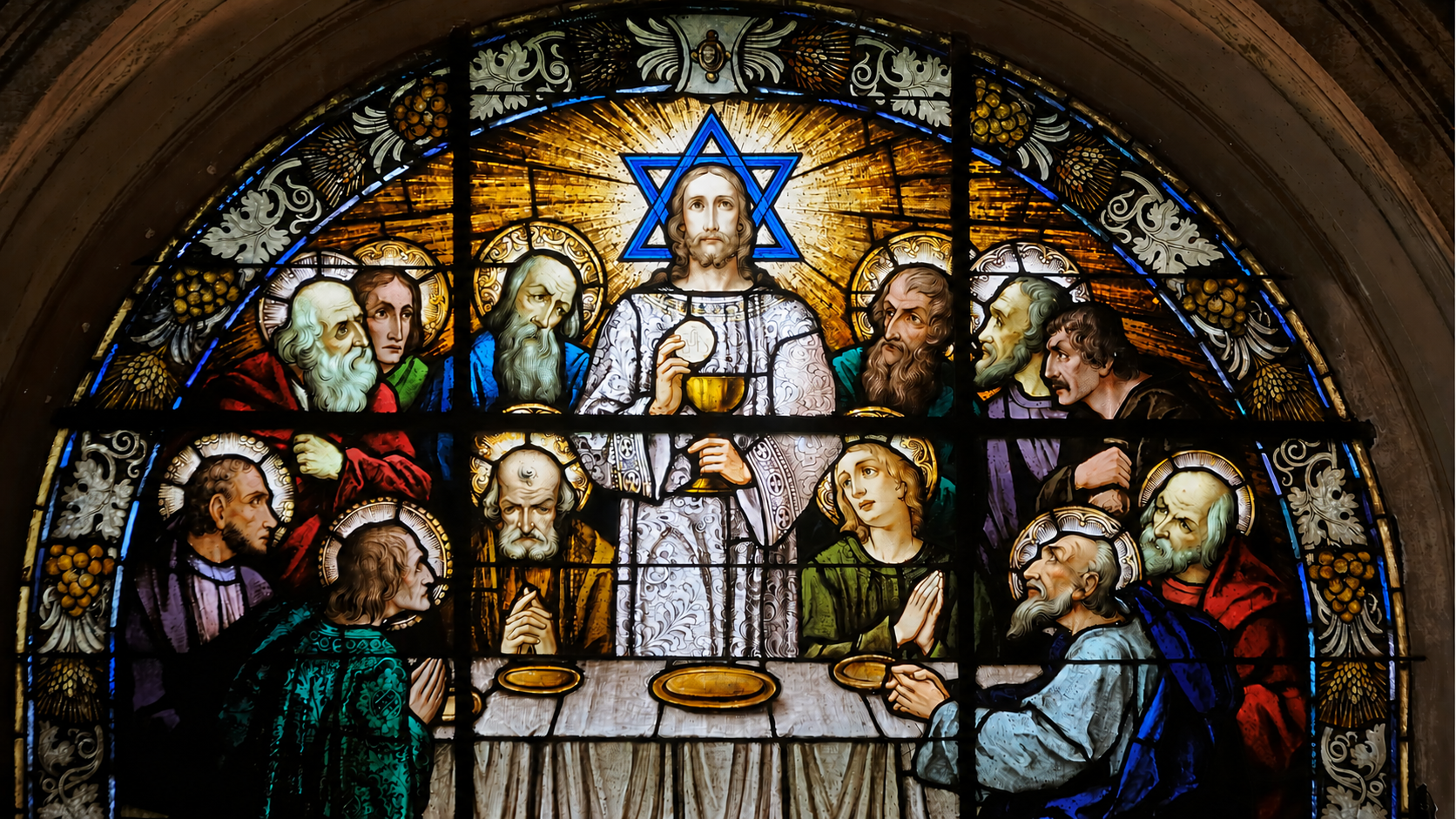
Recover the Jewish World
Behind Christian Scripture.
Before there was doctrine, there was history.
Together, we'll slow down and examine the New Testament alongside Jewish sources, allowing Scripture to be read within the culture, language, and ideas that shaped it.
Introducing
Judaism in the New Testament
Reclaiming the Jewish World Behind Christian Scripture
An 8-week journey into historical research, textual study, and interactive discussion.
Each session includes live teaching, Q&A, and guided exploration of primary Jewish and Christian texts. Unlike many New Testament courses, this program is taught from the perspective of Jewish history rather than later Christian theology.


By the End of This Course
You’ll Better Understand:
- the Jewish world of Jesus
- the earliest Jewish followers of Jesus
- Paul's relationship to Torah
- how Jewish ideas developed into Christian theology
- where Jewish and Christian interpretations overlap and where they diverge
...and why those differences matter
This Course is
For You if...
✓ You're deconstructing Christianity and want historical answers rather than emotional reactions.
✓ You want to understand Jesus within first-century Judaism.
✓ You're exploring Judaism or the Noahide path.
✓ You're Jewish and want to understand how Christianity developed from Jewish roots.
✓ You enjoy thoughtful discussion, history, and textual study.
✓ You're willing to examine evidence even when it challenges assumptions.

Meet Your Instructor
Dr. Ma'asehyahu "Dr. Is" Isra-Ul
This course is taught by Dr. Ma'asehyahu "Dr. Is" Isra-Ul, an award-winning educator, historian, university instructor, and founder of the Black Judaic Heritage Center.
Dr. Is earned an Ed.D. in Curriculum & Instruction (K-12 social studies) along with an Ed.S., M.Ed. (History), and B.A. in Education and History. He earned a Certificate in Jewish Context & Culture Studies through Mekhon Ha-Tanakh/Israel Bible Institute and is currently pursuing a certificate in Biblical Hebrew studies through the Hebrew University of Jerusalem.
As founder of the Black Judaic Heritage Center, Dr. Is has become a respected lecturer on Afro-Jewish history. His recent presentations have included lectures at the Virginia Holocaust Museum on African Jewish history and the Igbo Jews of West Africa.
His passion is helping students learn to examine historical sources carefully, think critically, and distinguish evidence from assumption.
Learn to Investigate the Text Like a Historian
Rather than simply giving students conclusions to memorize, Dr. Is invites participants into the process of historical investigation: examining sources, identifying assumptions, considering context, and asking what the available evidence can actually tell us.
Scholarship, Expertise & Recognition
Your 8-Week Learning Journey
Eight live sessions that build on one another, moving from the Jewish world of the New Testament to historical analysis, deconstruction, and thoughtful integration.
Before Christianity
The Jewish World of the New Testament
"Rabbi Yehoshua"
Jesus in His Jewish Context
Torah in Practice
Shabbat, Prayer, Tefillin & Sacred Time
Torah, Halakha & Jewish Debate
Interpretation, authority, and Jewish legal disagreement
From Jewish Movement to Christian Religion
Tracing the development of an emerging religious identity
When Jewish Ideas Become Christian Ideas
Messiah, covenant, Torah, salvation, resurrection, and more
Personal Review & Deconstruction
Revisit assumptions, compare sources, and reflect on what has changed
Group Decompression & Integration
Process what you learned, identify remaining questions, and consider what comes next
Explore the Full Cohort Experience
Expand each week below to explore the topics, texts, discussion questions, and exercises included throughout the cohort.
WEEK 1 Before Christianity: The Jewish World of the New Testament
What kind of world did the New Testament actually come from?
Students enter the first-century Jewish world before beginning with Christian theology.
Second Temple Judaism: Judea, Galilee, and Jewish Identity
A first-century Jew living in Judea or Galilee didn't experience "Judaism" as a single monolith. It was a living, contested, richly diverse world. This lesson sets the scene: who lived there, under what rule, practicing what, and believing what about their place in God's covenant. We'll look at:
- Life under Roman occupation and what that meant day to day
- Regional differences between Judea and Galilee
- What "Jewish identity" actually meant: ethnicity, practice, land, and Torah bound together
Torah, Covenant, Temple, and Synagogue
The four pillars of first-century Jewish life. Torah as instruction and identity, Covenant as the relationship it flows from, Temple as the geographic and spiritual center, and the emerging Synagogue as the place Torah was read, taught, and debated locally. Students leave this lesson able to picture where religious life actually happened.
Jewish Sects & Movements: Pharisees, Sadducees, and Roman Occupation
Judaism in this period wasn't one thing. It was several competing visions of how to be faithful under occupation. We introduce the Pharisees, Sadducees, and other movements, what they disagreed about, and why those disagreements matter for reading the New Testament without flattening its Jewish context.
Messianic Expectations and Jewish Redemption
What did "Messiah" mean before Christianity existed? This lesson unpacks Jewish hopes for redemption in their own terms: national, political, and spiritual, so students can recognize where later Christian usage draws on, and where it departs from, those expectations.
Space for live discussion using Tanakh, Josephus, Mishnah, and New Testament references from the week.
WEEK 2 "Rabbi Yehoshua": Jesus in His Jewish Context
What changes when we encounter Jesus as a first-century Jewish teacher rather than through later Christian theology?
"Rabbi Yehoshua", Jewish Discipleship, and Torah Observance
With the first-century Jewish world established in Week 1, students turn specifically to Rabbi Yehoshua ben Yosef and examine his teachings within their Jewish setting.
- "Rabbi Yehoshua" ben Yosef
- Jewish discipleship
- Torah observance
Jewish Teaching Methods and the Sermon on the Mount
Students examine Jesus' teaching methods and selected teachings within the context of Jewish interpretation and Torah.
- Jewish teaching methods
- The Sermon on the Mount
- Torah and "fulfillment"
Jesus, the Pharisees, and Jewish Debate
Students explore Jesus' interactions with the Pharisees within the wider world of Jewish debate over interpretation.
- Jesus and the Pharisees
- Jewish debates over interpretation
Righteousness and Repentance in Jewish Context
Students examine Jewish concepts of righteousness and repentance as part of the religious context surrounding Jesus and his teachings.
Textual Study
- Matthew 5:17-20
- Selected Gospel passages
- Parallel passages from Jewish sources
WEEK 3 Torah in Practice: Shabbat, Prayer, Tefillin & Sacred Time
How much Judaism is actually present in the New Testament?
Students examine Jewish practice rather than Christian doctrine.
Shabbat, Tefillin, Prayer, and the Amidah
The rhythms of Jewish sacred time and practice: Shabbat observance, tefillin, and daily prayer built around the Amidah. This lesson gives students the practical vocabulary of first-century Jewish devotional life.
Synagogue, Torah Study, Parashah and Haftarah
How Torah reached ordinary people through synagogue readings, parashah, haftarah, and communal study.
The Jewish Calendar: Pesach, Shavuot, Sukkot
The three pilgrimage festivals structured the Jewish year and drew people to Jerusalem. Students examine what each festival commemorated and why festival settings appear throughout New Testament literature.
Textual Study
- Acts 3 and Daily Prayer
- Luke 4 and synagogue Torah reading
- Gospel references to Shabbat
- Festival references throughout the New Testament
WEEK 4 Torah, Halakha & the Jewish Debate
Was Jesus opposing Torah or debating how Torah should be interpreted? Is there a difference?
Halakha, Oral Torah, and Jewish Legal Disagreement
Introduces halakha and the Oral Torah tradition, establishing that disagreement and interpretation were features of Jewish religious life.
Purity, Food, Sabbath, and Intent vs. Action
- Purity
- Food
- Sabbath
- Handwashing
- Intent versus action
- Competing interpretations of Torah
Interactive Exercise: "Put Jesus on Trial"
Students examine selected Gospel controversies and consider whether each represents:
- Rejection of Torah
- A halakhic disagreement
- A dispute over authority
- A later Christian interpretation
WEEK 5 From Jewish Movement to Christian Religion
When did a Jewish movement become something recognizably different from Judaism altogether?
Jesus' Earliest Followers and Jewish-Christian Communities
Students examine Jesus' earliest followers, Jewish-Christian communities, and the place of Jewish identity and practice within the early movement.
Paul, Gentile Inclusion, and the Jerusalem Community
The course examines Paul, Gentile inclusion, Torah and Gentiles, the Jerusalem community, and the questions that emerged as Jewish and non-Jewish followers became part of the movement.
Primary Sources
- Acts
- Pauline letters
- Didache
- Mishnah
- Selected Jewish sources
Emerging Christian Identity
- Development of Christian identity
- Jewish and non-Jewish followers
- Emerging differences in practice and theology
WEEK 6 When Jewish Ideas Become Christian Ideas
What happens when Jewish concepts are removed from their Jewish context?
Students bring the previous five weeks together by examining concepts that became central to Christianity.
Messiah, Son of Man, Kingdom of God, and Covenant
- Messiah
- Son of Man
- Kingdom of God
- Covenant
Salvation, Sin, Righteousness, and Resurrection
- Salvation
- Sin
- Righteousness
- Resurrection
- Torah
- Gentile inclusion
- "New Covenant"
- Jewish scripture and Christian interpretation
Comparative Exercise
The goal is not simply to determine whether a Christian interpretation is "right" or "wrong," but to identify where the meaning changes, expands, narrows, or becomes detached from its Jewish setting.
WEEK 7 Personal Review: Deconstructing the Questions
How does the context change my previous thoughts about the subject?
This week is intentionally different from the lecture weeks. There is no new major content.
Review Time
Students receive time to review:
- Lecture materials
- Primary texts
- Notes
- Questions
- Previous assumptions
- Areas of disagreement
- Topics they want to investigate further
Personal Deconstruction Exercise
Students choose three beliefs or assumptions they brought into the course. For each one:
- What did I previously believe or think?
- Where did that belief or thought come from?
- What does the primary source actually say?
- What does Jewish interpretation say?
- What does later Christian interpretation say?
- What do I think now?
Reflection Themes
- What surprised me?
- What challenged me?
- What became clearer?
- What remains unresolved?
- Which questions do I need to keep studying?
Students are permitted to sit with uncertainty.
WEEK 8 Decompression: What Do We Do With What We Learned?
Where do we go from here?
This final 90-minute session is designed as a group decompression rather than another lecture.
Opening: "What I Wish I Had Known Before I Started"
Each participant shares one idea, text, or discovery that changed the way they understand the New Testament.
Group Discussion
- What did Christianity teach us about Judaism that turned out to be incomplete?
- What did Judaism teach us about Christianity that we had never considered?
- Which New Testament passages look different now?
- What questions remain difficult?
- What should we be careful not to oversimplify?
- How can we continue studying without immediately turning everything into a debate?
Group Exercise: "Keep, Question, Release"
Something they now understand more clearly.
Something they need to investigate further.
An assumption they no longer find supported by the evidence.
Closing Conversation
The course concludes by reinforcing three principles:
Students leave with permission to continue questioning, studying, and developing their understanding without feeling pressured to immediately arrive at a predetermined religious conclusion.
Ready to experience Judaism in the New Testament?
JOIN THE PRIORITY WAITLIST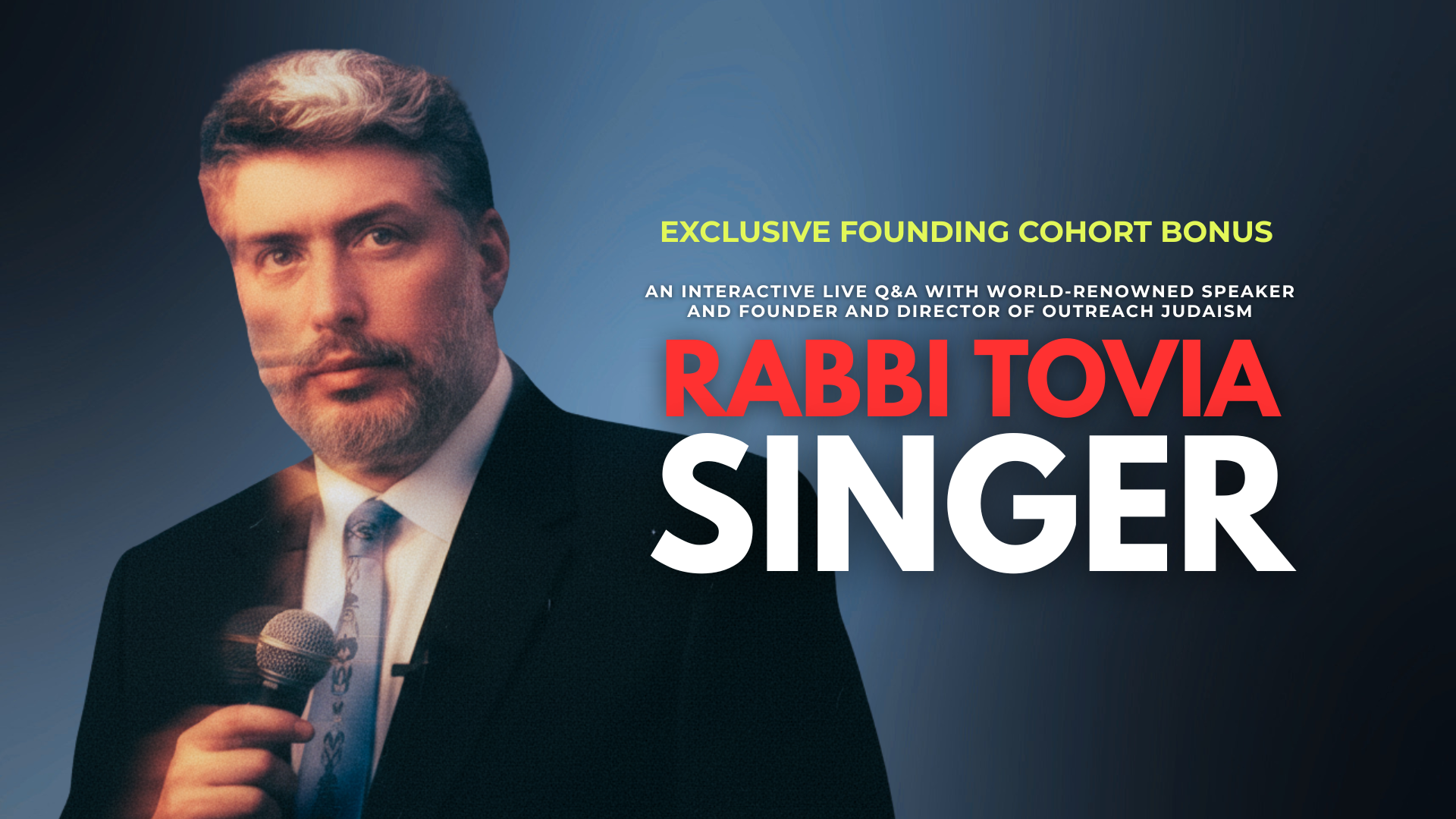
Founding Cohort Bonus
Exclusive Live Q&A With Rabbi Tovia Singer
After completing the core cohort, students will be invited to an additional live Q&A with internationally recognized Orthodox rabbi, author, and educator Rabbi Tovia Singer.
Bring selected questions that emerged throughout the course about Tanakh, Judaism, Christianity, messianic claims, and Jewish responses to Christian theological interpretations.
This is a bonus session for the Founding Cohort and is separate from the eight core classes led by Dr. Is.

Frequently Asked Questions
-
This course is designed for anyone who wants to understand the New Testament within its original Jewish historical context. It is especially valuable for people deconstructing Christianity, those exploring Judaism or the Noahide path, Jews seeking a deeper understanding of the New Testament, and anyone interested in biblical history and the Jewish world of the first century.
-
No. This course approaches the New Testament through historical, textual, and Jewish context rather than from a devotional or apologetic perspective.
The course does examine theological ideas such as Messiah, covenant, salvation, sin, righteousness, resurrection, and Torah, but these concepts are studied in relation to their Jewish background, their use in New Testament texts, and the ways they were later interpreted within Christianity.
Participants are not asked to defend Christianity, reject Christianity, or arrive at a predetermined religious conclusion. The goal is to examine the sources, understand the historical context, compare interpretations, and follow the evidence wherever it leads.
-
Every live session will be recorded.
Participants will have access to the recordings for 6 months following the course so they can catch up or revisit the material at their own pace.
-
You'll receive a confirmation email with everything you need to get started, including course dates, access instructions, and details about joining the private course space inside the 7613 community.
-
Yes.
Each live session includes dedicated Q&A time with Dr. Ma'asehyahu "Dr. Is" Isra-Ul, allowing participants to engage directly with the material and ask questions throughout the course.
-
The course includes eight live online sessions, each lasting 90 minutes, held on Wednesday evenings from 8:30 PM to 10:00 PM Eastern Time.
-
Founding Cohort tuition will be $299 USD, paid as a one-time payment when registration opens.
Joining the priority waitlist does not require payment or obligate you to enroll.
-
No.
The course is designed to provide the historical background and Jewish context needed to engage with the material. No prior academic or theological training is required.
-
The live Q&A with Rabbi Tovia Singer is an additional Founding Cohort bonus and is separate from the eight core classes led by Dr. Is.
Students who enroll in the Founding Cohort will receive details about the bonus session.
Secure Your Spot with Priority Access
Founding Cohort Pricing: $125 USD
One-time payment + Exclusive Live Q&A with Rabbi Tovia Singer
Join the waitlist today and be the first to know when enrolment opens.
Waitlist members receive a 48-hour private registration window before enrolment opens publicly, giving you the first opportunity to secure a place in the Founding Cohort.